Weather awareness
Forecasts, clouds, wind, and when to change plans.
Skill 3.18 · About 25 minutes to begin
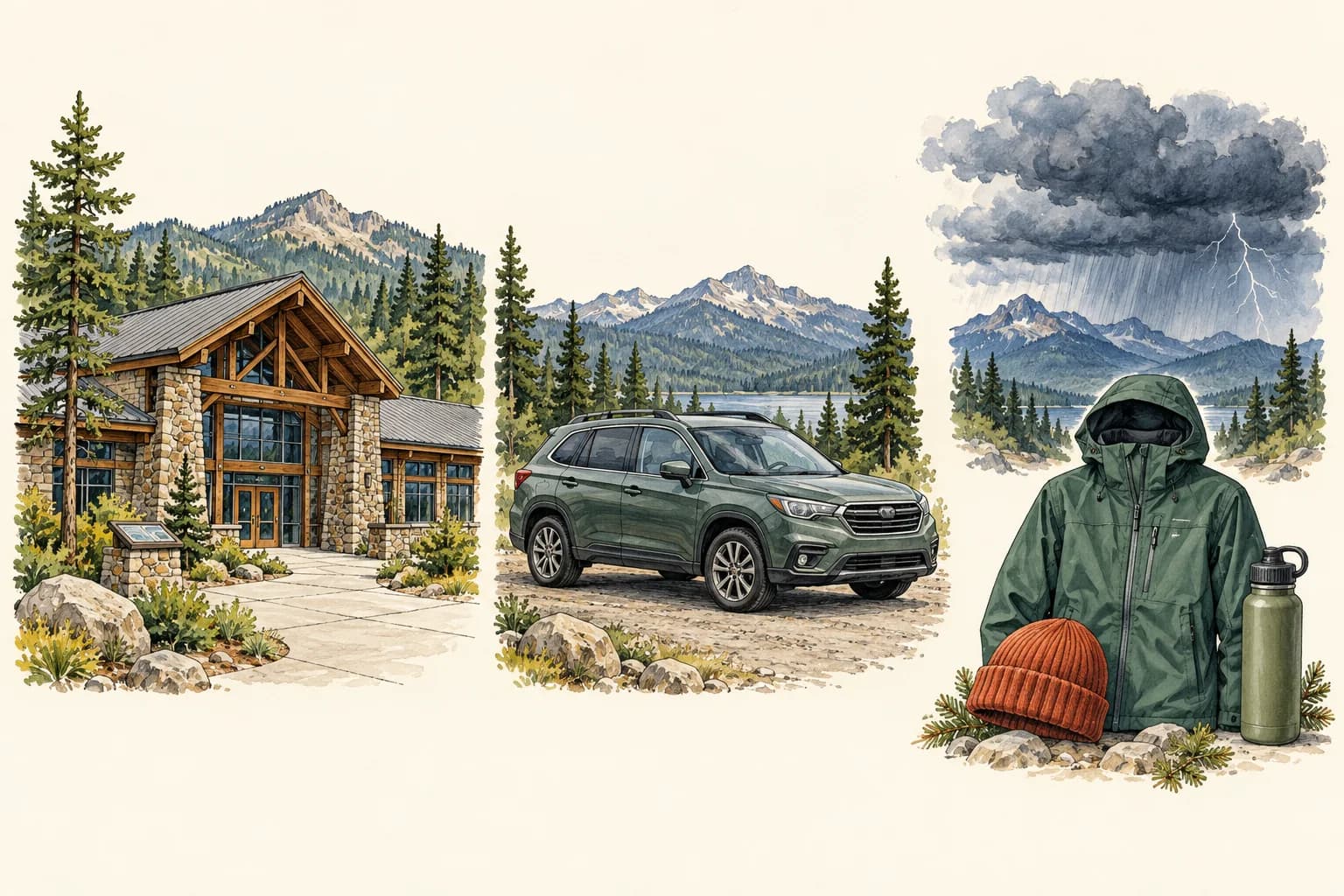
Mountain weather differs from Gainesville. Check forecasts for the trail elevation, not just town.
Before you begin
Bring along
- Official forecast
- Route map
- Shelter and turnaround plan
Support & boundaries
Choose an age-appropriate task with your leader or trusted adult. Outdoor practice follows the approved route, buddy, and supervision plan; adapt the challenge to your abilities.
01 / Learn
Understand the skill
- Afternoon thunderstorms are common in North Georgia spring and summer — plan off summits early.
- Hypothermia can happen above 50°F when wet and windy.
- Heat illness hits on humid service days and exposed ridges — shade and water matter.
- Wind at ridge tops can knock you off balance — low center of gravity and optional turnaround.
- Leaders may cancel or shorten trips when lightning, flood, or ice risk is high.
02 / Practice
Try it, step by step
- 1
Read forecast night before and morning of; note storm timing.
- 2
Watch building cumulus and sudden wind shifts on trail.
- 3
Before departure, identify a substantial enclosed building or enclosed hard-top vehicle reachable before storms. Trees, tents, and open picnic shelters are not safe lightning shelters.
- 4
At thunder, stop outdoor activity and go to the planned safe shelter. Wait at least 30 minutes after the last thunder before resuming; do not delay shelter to manage equipment.
- 5
Add layers before you are shivering; remove before overheating.
Watch & try
See it demonstrated
National Weather Service, Missoula
Lightning safety
Identify appropriate shelter and use the current NWS guidance linked below when planning your outing.
Watch on YouTube ↗Common mistakes to avoid
- Wait under the open-sided picnic shelter.
- Treating a successful practice attempt as permission to skip the supervision or checks for a real task.
Your call
You hear thunder near a picnic shelter. What is the plan?
03 / Demonstrate
Show what you can do
Use these prompts with a mentor. This practice checklist resets when you leave; record your overall stage below in the signed-in manual.
0 of 3 reviewed together
Mentor notes & sources
Help someone learn
- Assign a weather watcher to call five-minute checks on risky days.
- Practice turning the group around without drama — safety beats summit photos.
- Keep a written go/no-go checklist for river and cave days.
Start together, then let the learner take responsibility at an appropriate level. Offer a shorter task, a different role, or more practice time when useful. Review the demonstration criteria together; advanced practice never removes supervision requirements.
Reference shelf
Original program lessons informed by these references. Equipment manuals, current local rules, and qualified instruction govern technical practice.
- National Weather Service: lightning outdoors ↗
Lightning shelter and trip decisions
Edition updated 2026-09-28. Program learning material; not a professional qualification.
04 / Apply · In Action
Make a weather plan
Read the forecast for the actual location and identify a substantial building or enclosed hard-top vehicle reachable before storms.
What success looks like
Explain the cancellation or turnaround decision and the 30-minute wait after the last thunder before resuming outdoors.
Talk it through
What if no safe shelter is reachable?
05 / Teach · Take it further
Brief the crew on why a changed plan can be a successful decision.