Field Guide
Skills for adventure. Skills for life.
Practical lessons in character, everyday life, adventure, work, relationships, and service: 66 skills in seven areas. Read any section below on your phone, or download the printable PDF.
Youth and leaders: track your progress in the Field Manual.
Contents
Start with something useful
What will you put into action?
You do not have to read in order. Choose a skill you need, practice with the right help, and use it to contribute.
Pick an area to explore, or start with one of the challenges above.
Area 1
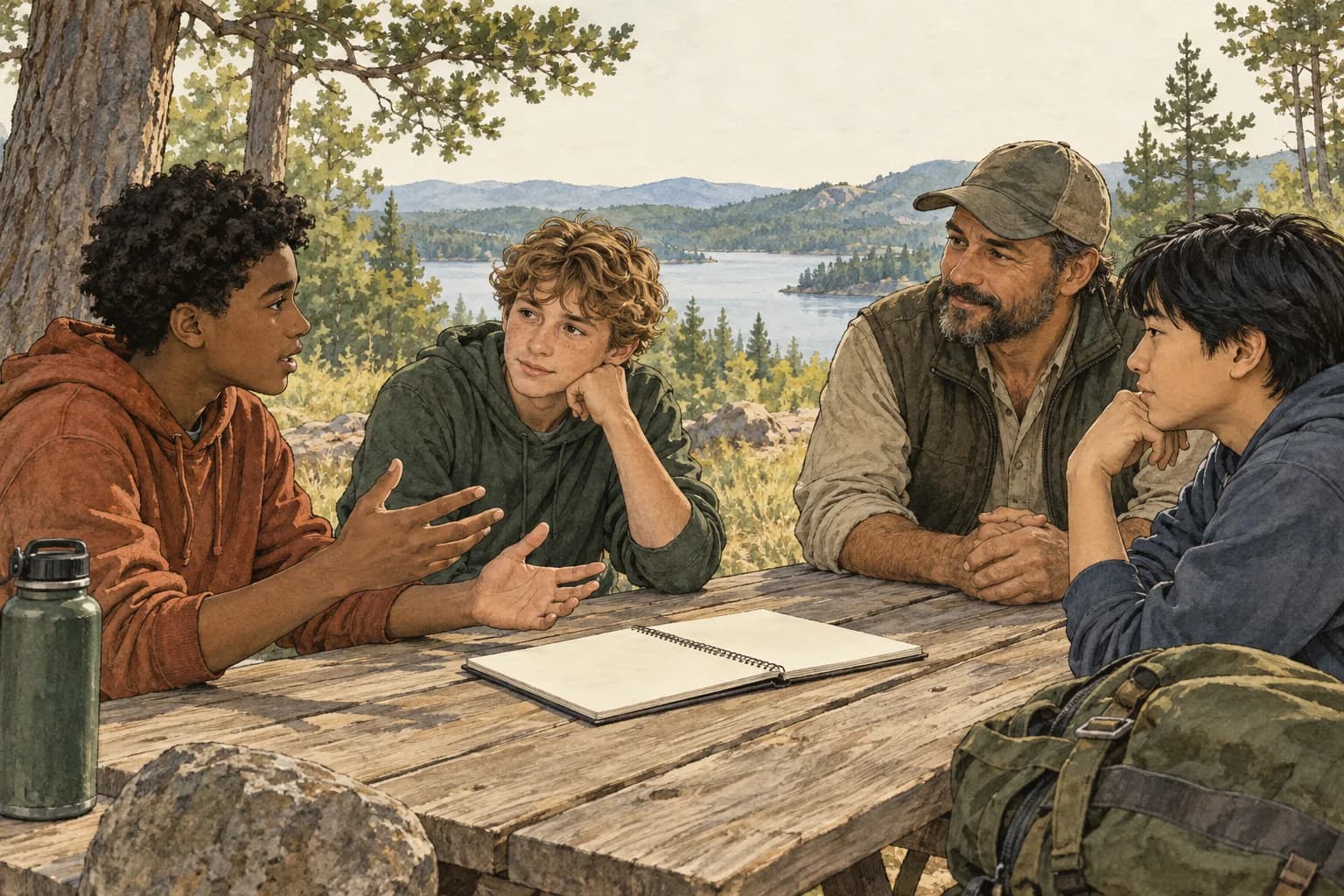
Character and judgment
Keep your word, own mistakes, handle frustration, and know when to ask for help.
Explore 4 skills
- 1.1Character and judgmentKeeping your wordMake commitments you can keep, and communicate early when plans change.
- 1.2Character and judgmentOwning mistakes and making repairsTell the truth, apologize clearly, and follow through on a repair.
- 1.3Character and judgmentHandling frustration and setbacksNotice your reaction, take a pause, and choose a useful next step.
- 1.4Character and judgmentGood judgment and asking for helpPause, check the facts, consider consequences, and speak up.
Area 2
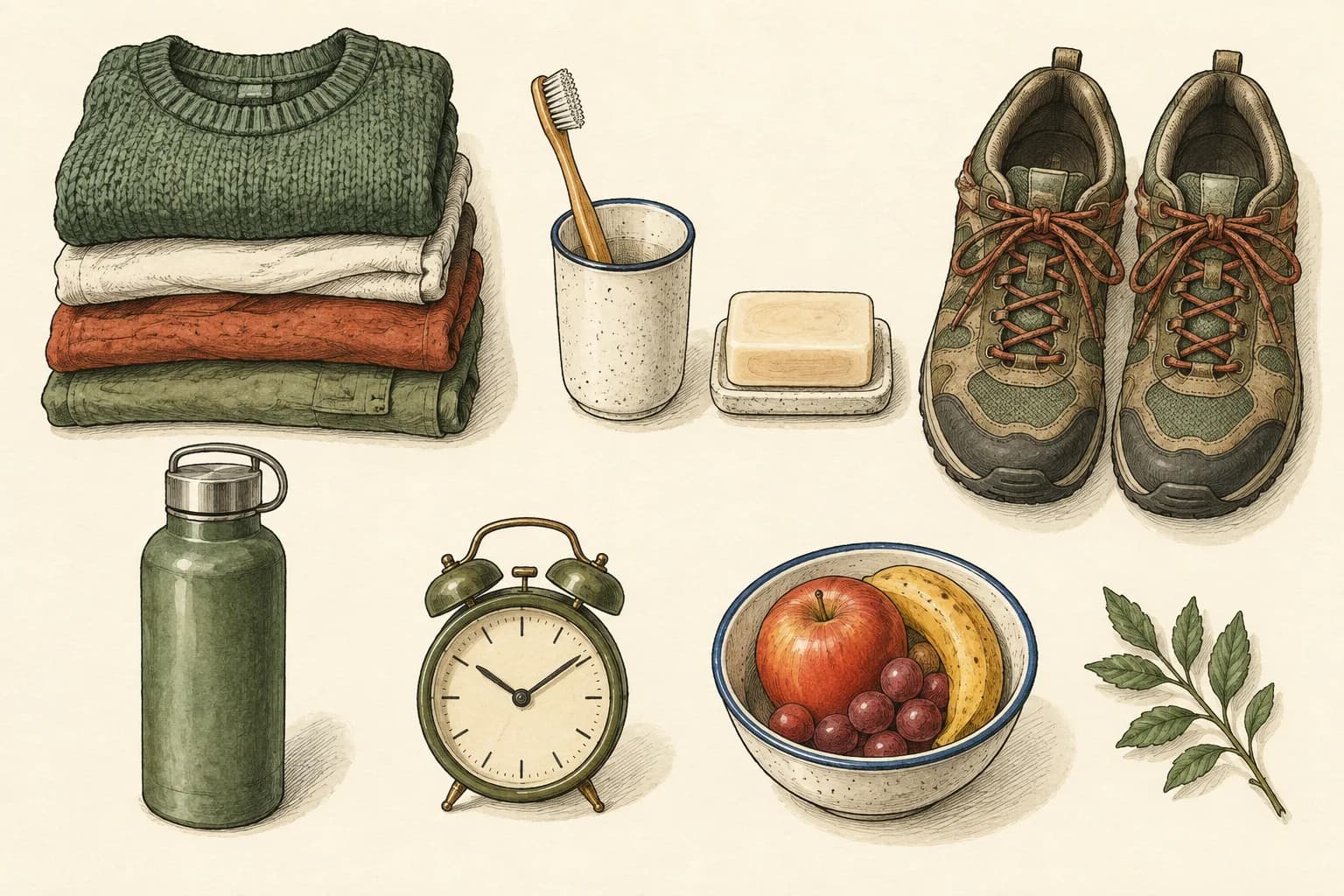
Taking care of yourself
Build daily routines, feed your crew, care for your clothes, and make time for what matters.
Explore 5 skills
- 2.1Taking care of yourselfDaily care and healthy routinesLook after your body, belongings, and shared spaces.
- 2.2Taking care of yourselfRest, movement, and readinessBuild steady habits that prepare you for the activities you enjoy.
- 2.3Taking care of yourselfFeed your crewPlan, shop, cook, serve, and clean up a meal for six.
- 2.4Taking care of yourselfLaundry and caring for clothesRead care labels, wash a load, and put everything away.
- 2.5Taking care of yourselfManaging your timePlan a week with room for obligations, rest, and changes.
Area 3
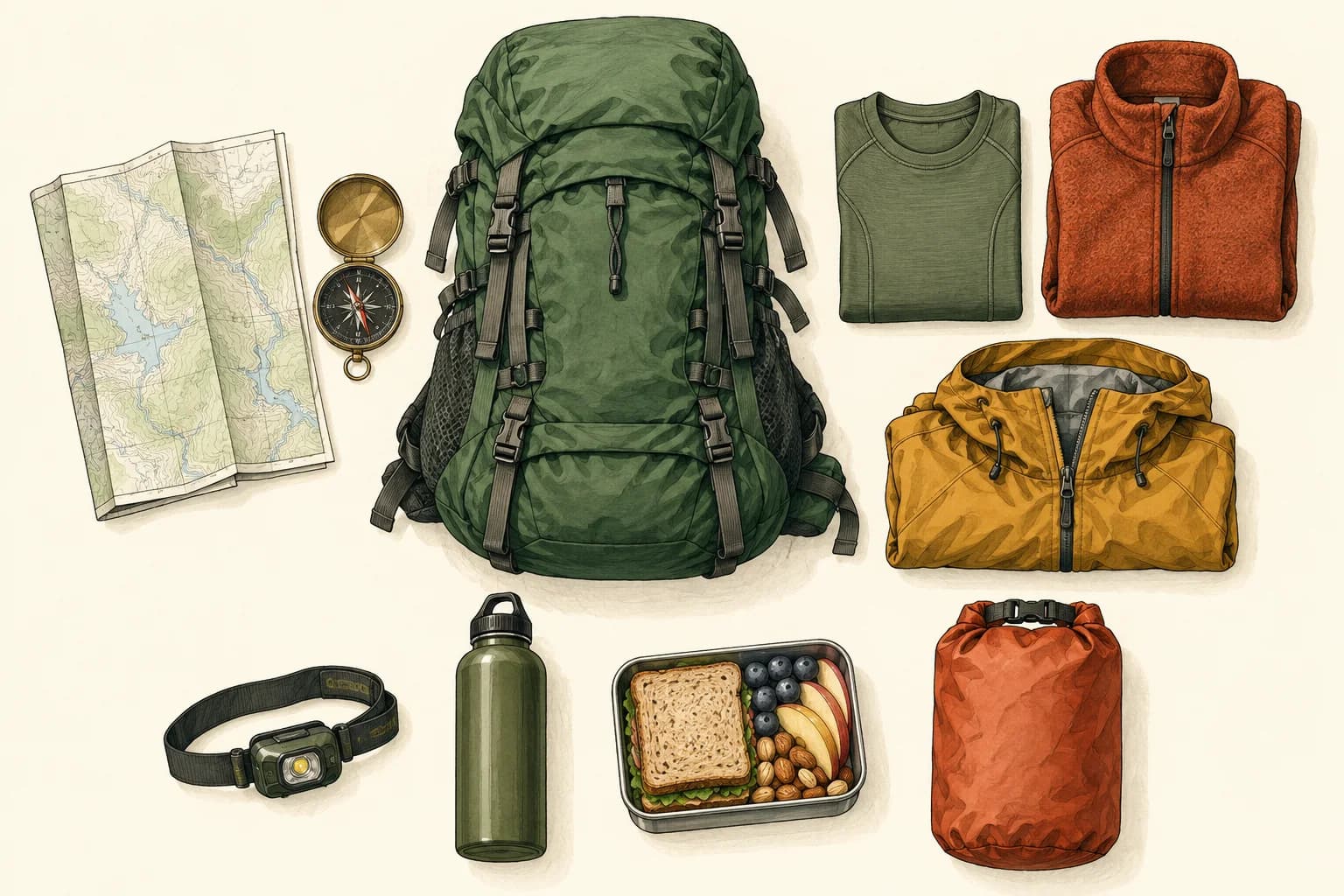
Outdoor adventure
Prepare for the trail, care for wild places, and develop sound judgment through adventure.
Explore 29 skills
- 3.1Getting readyTrip planningGoals, permissions, schedules, and backup plans before you leave town.
- 3.2Getting readyGear basicsCore equipment for day hikes, overnights, and travel days.
- 3.3Getting readyClothing and layeringDress for sweat, wind, rain, and cold — especially in North Georgia hills.
- 3.4Getting readyPacking listsDay pack, overnight, river, cave, and travel lists you can reuse.
- 3.5CampingCampsite selectionPick durable surfaces, manage drainage, and respect neighbors.
- 3.6CampingTents and sheltersSetup, stakes, rainflies, and care for shared tents.
- 3.7CampingSleep systemsPads, bags, quilts, and staying warm without overheating.
- 3.8CampingLeave No TraceSeven principles adapted for our trips and service mindset.
- 3.9Camp kitchen and foodCamp kitchen setupFood prep zones, sanitation, and keeping critters out.
- 3.10Camp kitchen and foodTrail food and meal planningCalories, hydration, simple menus, and allergies.
- 3.11Fire and stovesCampfiresWhen fire is allowed, how to build, tend, and extinguish safely.
- 3.12Fire and stovesStoves and fuelCanister and liquid fuel basics under adult supervision.
- 3.13NavigationMap and compassRead terrain, orient the map, and take a bearing.
- 3.14NavigationPhone and GPS appsUseful tools with limits — battery, accuracy, and distraction.
- 3.15NavigationTrail blazes and signsFollow painted blazes, signs, and junction discipline.
- 3.16Hiking and backpackingDay hikingPace, hydration, trail etiquette, and group spacing.
- 3.17Hiking and backpackingBackpackingLoad, hip belt, camp miles, and caring for feet.
- 3.18Weather and hazardsWeather awarenessForecasts, clouds, wind, and when to change plans.
- 3.19Weather and hazardsTerrain and environmental hazardsSlips, snakes, ticks, plants, and water crossings.
- 3.20First aid and emergenciesFirst aid kit and common injuriesBlisters, sprains, cuts, and when to stop and treat.
- 3.21First aid and emergenciesEmergencies and communication911, location, signals, and staying calm.
- 3.22Water skillsSwimming safetyOpen water, buddies, PFDs, and cold water respect.
- 3.23Water skillsPaddling basicsCanoe and kayak posture, strokes, and capsize mindset.
- 3.24Water skillsWhitewater basics and rafting safetyOutfitter trips, helmets, commands, and swim position.
- 3.25Caving basicsCaving basicsOnly with experienced leaders — helmets, lights, teams, and conservation.
- 3.26Scuba introductionScuba introduction and certification pathWhat training involves and why only certified instructors teach it.
- 3.27North Georgia placesTrails and forestsDay hikes and overnights within a few hours of Gainesville.
- 3.28North Georgia placesRivers, lakes, and water tripsLake Lanier, the Ocoee, and paddle days near home.
- 3.29North Georgia placesCaves and karst featuresWhy we only go with experts and how to protect bats.
Area 4
Practical competence
Use rope and hand tools, mend what you own, and understand your home and vehicle, and use AI with judgment.
Explore 11 skills
- 4.1Knots and ropesEssential knotsSquare knot, bowline, taut-line, and when to use each.
- 4.2Knots and ropesRope care and storageProtect fibers, avoid chemicals, and inspect for damage.
- 4.3Home and vehicle skillsVehicle basicsKnow the manual, maintenance schedule, and when to call for roadside help.
- 4.4Home and vehicle skillsBasic home repair and yard toolsSafe use of common tools for service and home projects.
- 4.5Repair and readinessSew on a buttonMake a small repair that keeps a garment useful.
- 4.6Repair and readinessKnow your home and when to stopFind important information and recognize jobs for an adult or professional.
- 4.7AI literacy and judgmentAI and your own judgmentUse AI to extend your abilities while keeping responsibility for the result.
- 4.8AI literacy and judgmentGive AI a useful briefDescribe the goal, context, limits, and standard for good work.
- 4.9AI literacy and judgmentCheck the answer before you use itTrace claims, check calculations, and find what is missing.
- 4.10AI literacy and judgmentPrivacy, honesty, and human boundariesProtect people and be clear about how AI helped.
- 4.11AI literacy and judgmentBuild and improve a small helperMake something useful, test it, and keep a person in control.
Area 5
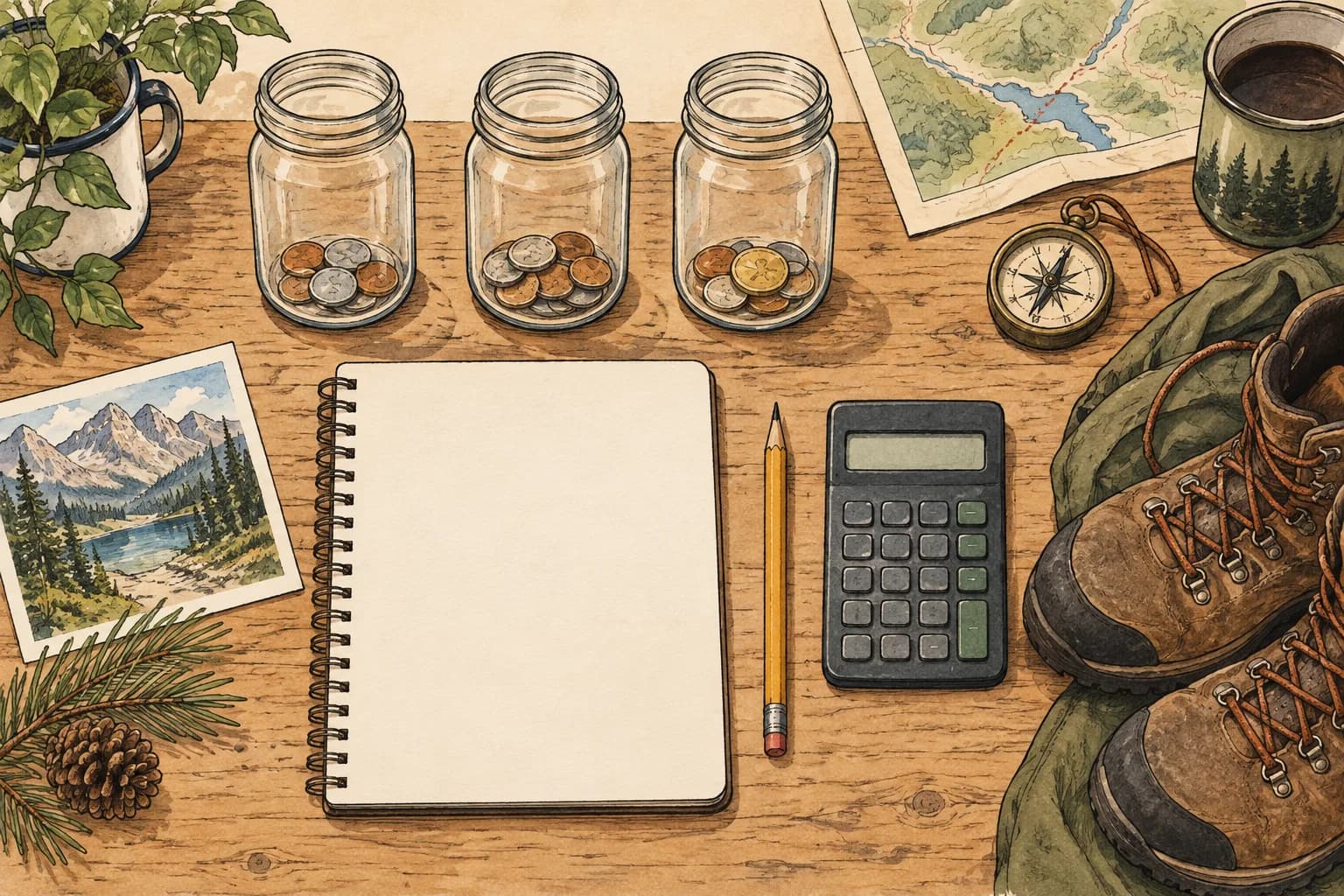
Money and work
Plan spending, understand a paycheck, earn trust at work, and recognize scams.
Explore 5 skills
- 5.1Money and workBudgeting and savingTrip costs, gear funds, and giving back to the group.
- 5.2Money and workEarning money and fundraisersHow service routes fund adventure — aeration, flags, and work ethic.
- 5.3Money and workBanking and your first paycheckUnderstand a sample pay stub and compare account features.
- 5.4Money and workGetting and keeping a first jobDescribe your experience, ask useful questions, and be reliable at work.
- 5.5Money and workRecognizing scams and pressurePause before paying, sharing information, or following a surprise link.
Area 6
Relationships and communication
Listen carefully, resolve disagreements, respect boundaries, and be a dependable friend online and off.
Explore 5 skills
- 6.1Relationships and communicationListening so people feel heardGive attention, check your understanding, and ask before offering advice.
- 6.2Relationships and communicationWorking through a disagreementName the problem, listen to both needs, and agree on a next step.
- 6.3Relationships and communicationRespect, consent, and boundariesAsk clearly, accept a no, and speak up when someone feels unsafe.
- 6.4Relationships and communicationGood judgment onlineProtect privacy, check information, and treat people well in group chats.
- 6.5Relationships and communicationBeing a dependable friendInclude people, offer useful support, and know your limits.
Area 7
Service and leadership
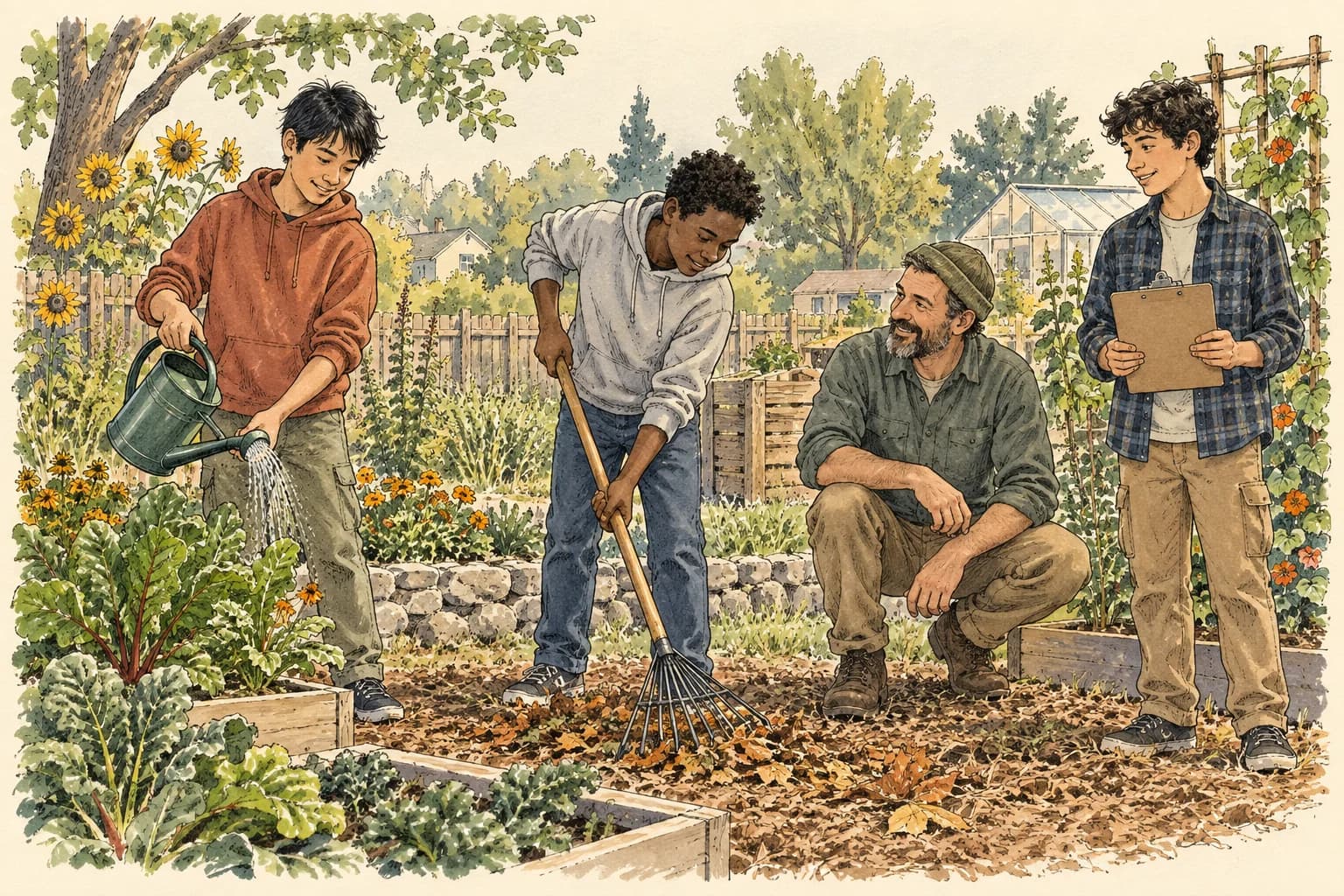
Notice a need, lead and follow well, teach a skill, and contribute to your community.
Explore 7 skills
- 7.1ServiceLawn aerationCrew roles, clay soils, and customer respect.
- 7.2ServiceHoliday flag placement and retrievalRespectful display, weather calls, and neat yards.
- 7.3ServiceTalking to neighbors and door etiquettePolite sign-ups, safety, and representing the youth group well.
- 7.4LeadershipLeading a crewAssignments, check-ins, and keeping morale up.
- 7.5LeadershipPlanning an activityFrom idea to calendar item with safety and fun balanced.
- 7.6LeadershipTeaching a skillDemonstrate, practice, review — the teaching loop.
- 7.7Community citizenshipBeing useful in your communityUnderstand a local need and contribute with the people affected.
Suggestions for the guide? Add one at the end of any section, or email info@gainesvilleyouth.com.Return home