Swimming safety
Open water, buddies, PFDs, and cold water respect.
Skill 3.22 · About 25 minutes to begin
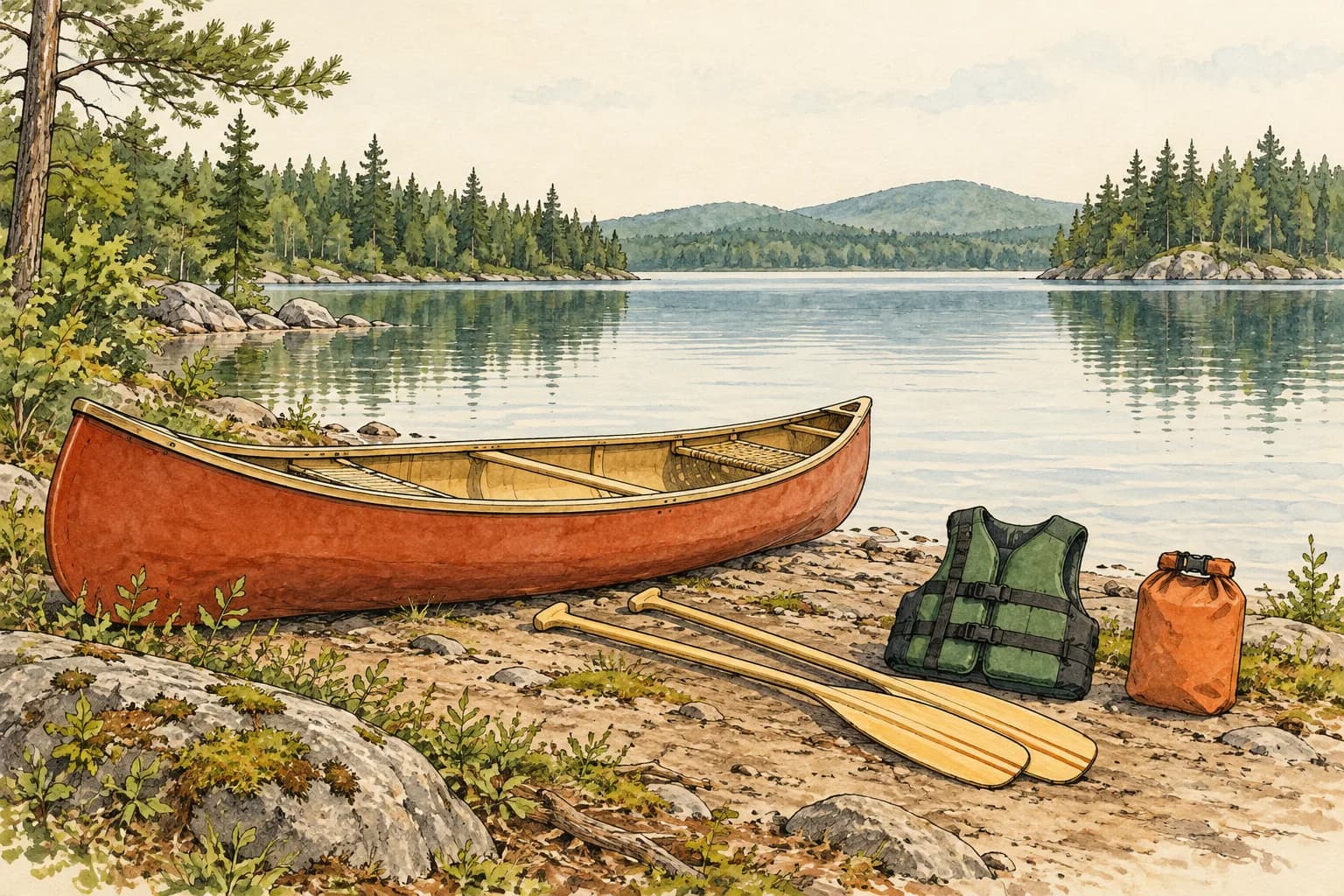
Lake Lanier and river swims are only with adult supervision and clear rules. Never swim alone.
Before you begin
Bring along
- Instructor-approved life jacket
- Trip equipment list
Support & boundaries
Use a qualified instructor or guide and the program's approved supervision plan. This lesson is preparation, not permission or certification for an activity.
01 / Learn
Understand the skill
- Cold water can shock your breathing — enter slowly; wear PFD when leaders require.
- Swim with a buddy and stay in designated areas.
- No diving into unknown depth — rocks and stumps hide below.
- Alcohol and swimming do not mix — our trips are dry.
- Lightning ends water time immediately.
02 / Practice
Try it, step by step
- 1
Fit your PFD snugly; test float before leaving shore.
- 2
Establish a shore spotter when swimming from boats or docks.
- 3
Signal distress with one arm up — buddies alert adults.
- 4
Dry off and warm up before evening chill.
- 5
Hydrate even when you feel cool in water.
Common mistakes to avoid
- Swim because the buddy can watch.
- Treating a successful practice attempt as permission to skip the supervision or checks for a real task.
Your call
Your buddy is a strong swimmer but no qualified supervisor is present. What next?
03 / Demonstrate
Show what you can do
Use these prompts with a mentor. This practice checklist resets when you leave; record your overall stage below in the signed-in manual.
0 of 3 reviewed together
Mentor notes & sources
Help someone learn
- Count heads before and after every water session.
- Set clear boundaries with floats or landmarks.
- Pair strong swimmers with newer swimmers for buddy checks.
Start together, then let the learner take responsibility at an appropriate level. Offer a shorter task, a different role, or more practice time when useful. Review the demonstration criteria together; advanced practice never removes supervision requirements.
Reference shelf
Original program lessons informed by these references. Equipment manuals, current local rules, and qualified instruction govern technical practice.
- US Coast Guard: wearing your life jacket ↗
Life-jacket use and fit
Edition updated 2026-09-28. Program learning material; not a professional qualification.
04 / Apply · In Action
Before anyone enters
With the qualified supervisor, review boundaries, buddy procedures, signals, and required equipment from shore.
What success looks like
Explain who is supervising and when you must stay out or leave the water.
Talk it through
Why is a buddy not a substitute for qualified supervision?
05 / Teach · Take it further
Help the supervisor run the before-and-after headcount.