Planning an activity
From idea to calendar item with safety and fun balanced.
Skill 7.5 · About 25 minutes to begin
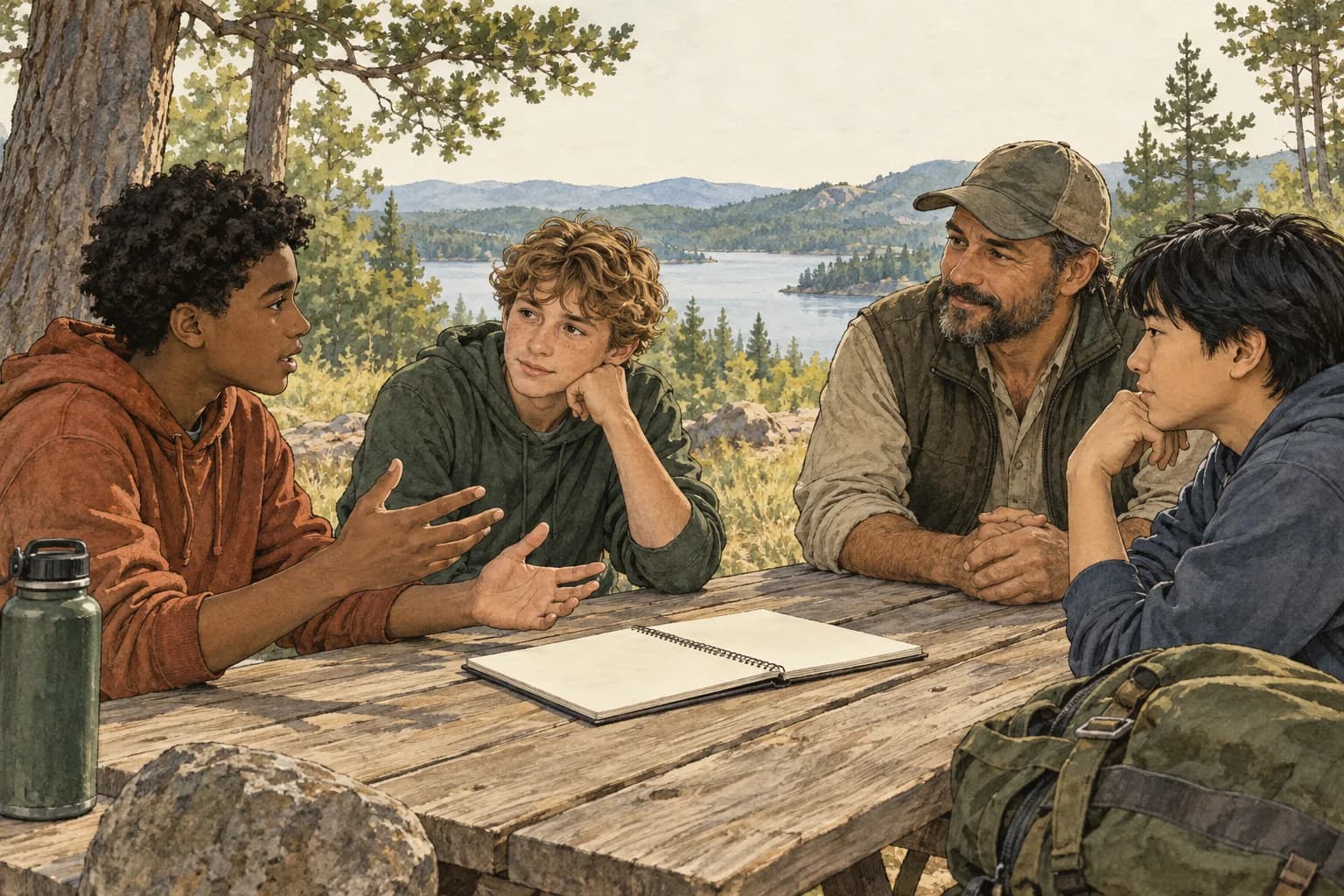
Youth can propose hikes, skills nights, and service projects. Adults approve, but your planning work makes it happen.
Before you begin
Bring along
- Task plan
- Role cards
- Practice crew
Support & boundaries
Choose an age-appropriate task with your leader or trusted adult. Outdoor practice follows the approved route, buddy, and supervision plan; adapt the challenge to your abilities.
01 / Learn
Understand the skill
- SMART-ish goals: specific activity, measurable outcome, agreed date, realistic for group, time-bound evening or day.
- Permits, transportation, and parent communication are adult tasks you assist.
- Backup indoor plan for weather-dependent ideas.
- Budget line items: food, fuel, rentals.
- Promotion: one clear message in group chat beats ten reminders.
Explore the idea
A clear task handoff
Explain the result, each person's role, the boundaries, and the stop conditions. Ask people to explain their task back.
02 / Practice
Try it, step by step
- 1
Write one-page proposal: what, why, who, when, cost, risks.
- 2
Present at a Wednesday planning meeting for feedback.
- 3
Build equipment list from Field Guide sections.
- 4
Confirm adult coverage before announcing date.
- 5
Send reminder 48 hours and morning of with meet location pin.
Common mistakes to avoid
- Wait until everyone arrives to improvise.
- Treating a successful practice attempt as permission to skip the supervision or checks for a real task.
Your call
Your plan has no alternative for rain. What next?
03 / Demonstrate
Show what you can do
Use these prompts with a mentor. This practice checklist resets when you leave; record your overall stage below in the signed-in manual.
0 of 3 reviewed together
Mentor notes & sources
Help someone learn
- Coach younger members through their first proposal draft.
- Use a template slide leaders keep in shared drive.
- Celebrate executed plans even if weather shortened them.
Start together, then let the learner take responsibility at an appropriate level. Offer a shorter task, a different role, or more practice time when useful. Review the demonstration criteria together; advanced practice never removes supervision requirements.
Reference shelf
Original program lessons informed by these references. Equipment manuals, current local rules, and qualified instruction govern technical practice.
- NOLS: expedition learning ↗
Outdoor learning, teamwork and reflection
- Search Institute: developmental relationships ↗
Care, support, challenge and youth agency
Edition updated 2026-09-28. Program learning material; not a professional qualification.
04 / Apply · In Action
A meeting people can run
Plan a short approved activity with a purpose, supplies, timing, roles, adaptations, and a backup.
What success looks like
Give the plan to a partner who can explain how to run it.
Talk it through
Where is the plan most likely to run late?
05 / Teach · Take it further
Run the activity and revise the plan from participant feedback.